カテゴリー
Analysis of Container House Installation Process: A Full Step Guide from Preliminary Preparation to Acceptance and Delivery
Container houses are widely used in construction site dormitories, commercial exhibition halls, and emergency resettlement scenarios due to their modular, mobile, and fast construction advantages. The installation process should follow standardized steps to ensure structural safety and complete functionality. Below is an analysis of the core process of container house installation, from preliminary preparation to acceptance and
Jun 27th,2025
167 ビュー
1、 Preliminary preparation: site survey and plan formulation site investigation Terrain assessment: Use a total station to measure the flatness of the ground, with an error controlled within ± 5cm. If it is a soft soil foundation, it is necessary to excavate and replace with a 30cm thick gravel layer and compact it, with a bearing capacity of ≥ 150kPa. Obstacle cleaning: Remove trees, pipelines, and construction waste from the site to ensure that there are no obstacles within the radius of the lifting operation. Plan formulation Structural design: Design single-layer or multi-layer layouts according to usage requirements, specifying load-bearing walls, stairs, and water and electricity pipeline paths. For example, double decker container houses require horizontal steel beam support, with a floor height limit of ≤ 3 floors. Compliance approval: Submit temporary building registration materials to the local housing and construction department, including design drawings, structural calculations, and safety commitment letters. The approval cycle is about 3-5 working days.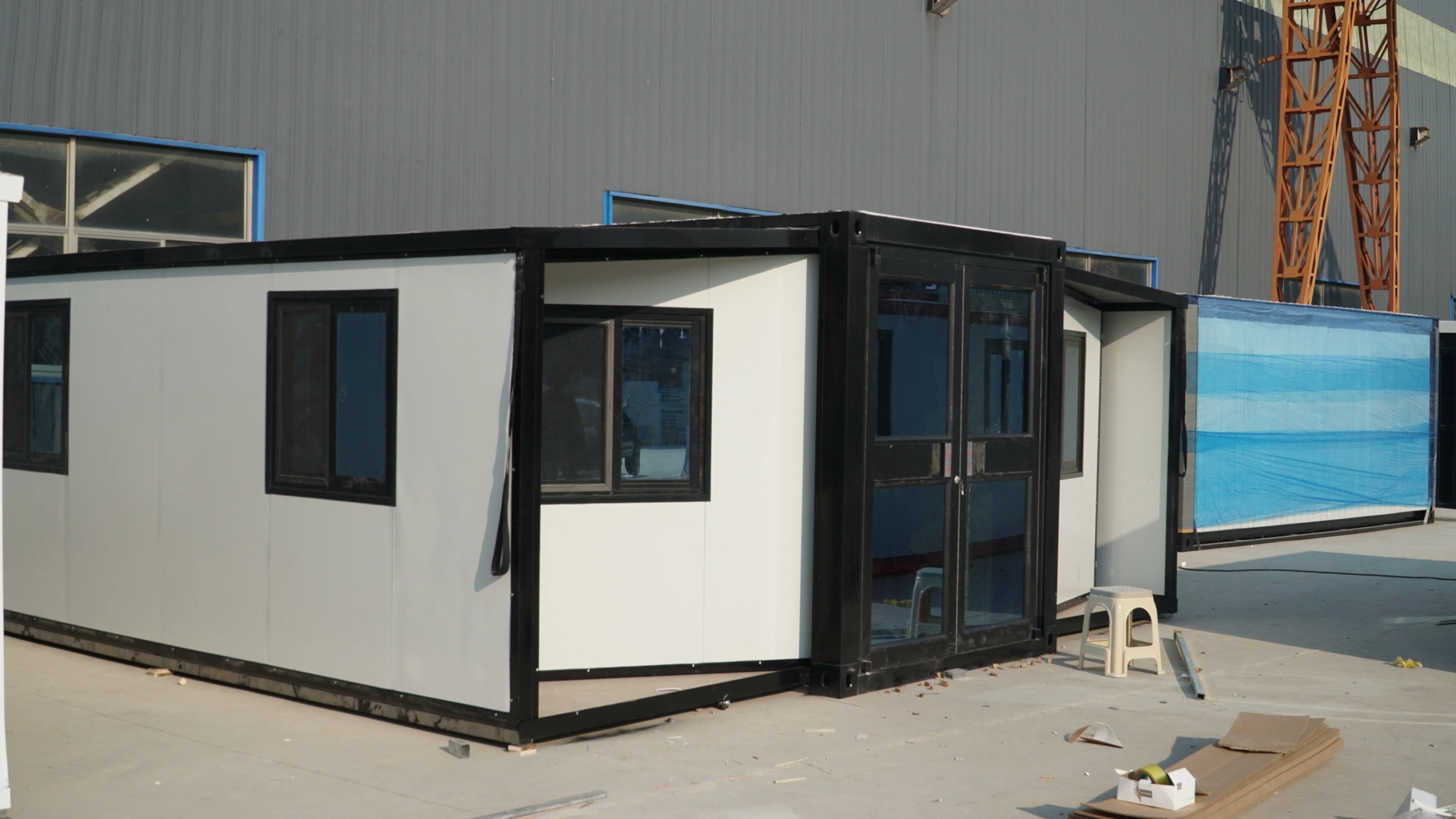 2、 Basic construction: guarantee of stable support Basic type selection Strip foundation: suitable for flat ground scenes, poured with C20 concrete, with a width of ≥ 30cm and a depth of ≥ 50cm, equipped with double-layer Φ 12 steel mesh inside. Spiral pile foundation: used for soft soil or mountainous areas, with a pile diameter of ≥ 15cm and a pile length of ≥ 2m. The bearing capacity needs to be verified through static load tests. Embed Installation Pre embed M16 anchor bolts at the top of the foundation, with a spacing of ≤ 1m, and the exposed length of the bolts should be ≥ 12cm to ensure precise docking with the container bottom frame. 3、 Box lifting and splicing: core construction process Lifting operation When using a truck crane weighing over 25 tons, rubber pads should be wrapped around the contact area between the sling and the box to prevent scratching. The lifting time for a single box is about 15 minutes, and a dedicated person needs to command to ensure that the verticality error is ≤ 1 °.
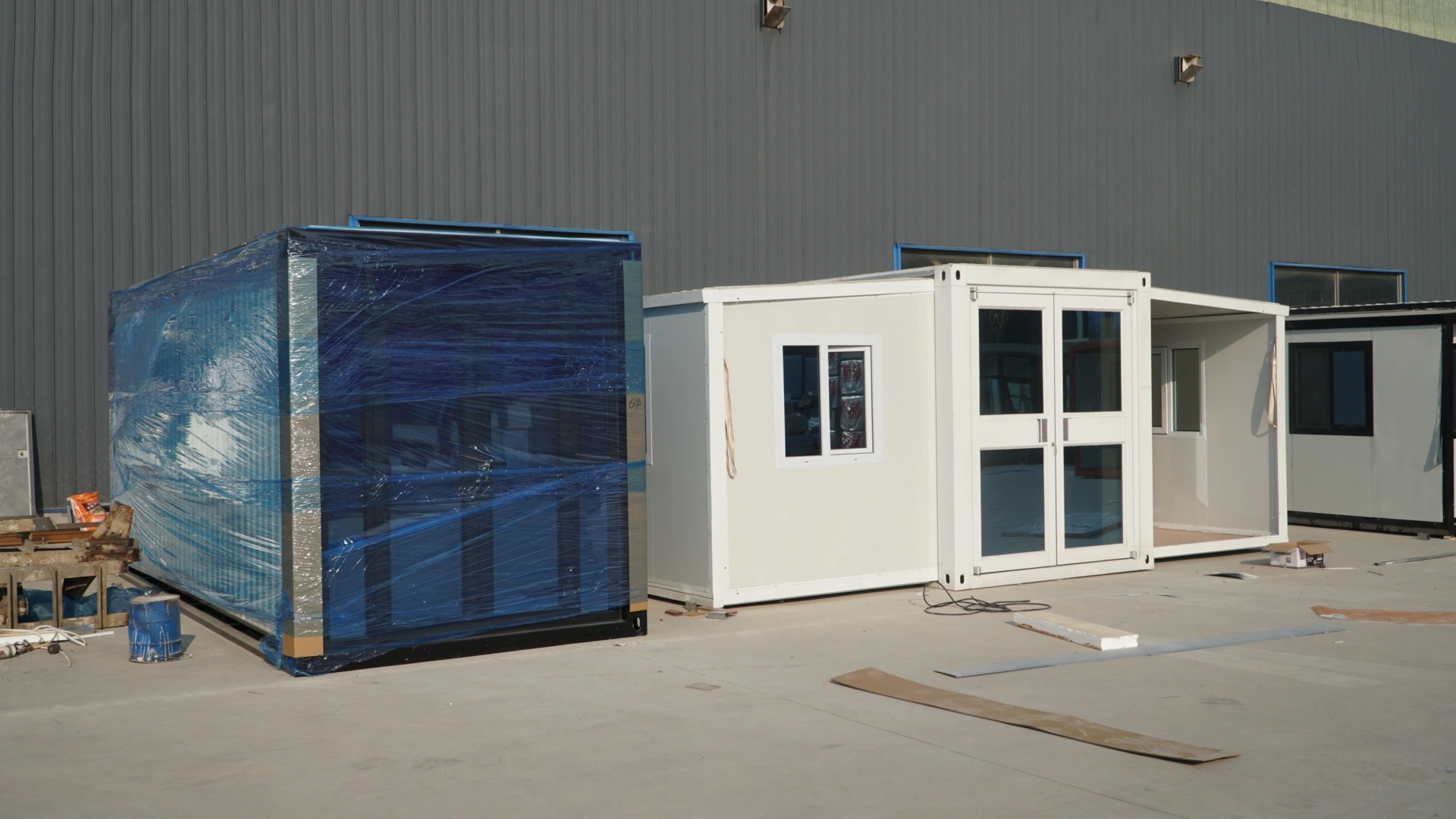 Box splicing Horizontal splicing: Adjacent boxes are connected by high-strength bolts (M16 × 80) with a torque of 200N · m, and the gaps are filled with sealing strips to prevent water leakage. Vertical splicing: Steel stairs are installed between the double-layer boxes, with stair step width ≥ 25cm and handrail height ≥ 1.1m, and must pass anti slip tests. 4、 Water and electricity and interior decoration: the key to complete functionality Water and electricity wiring Pipeline pre embedding: PVC pipe diameter ≥ 20mm, the wiring should be kept at a distance of more than 10cm from the steel beam to avoid welding damage. Separation of strong and weak electricity, with a spacing of ≥ 30cm. Equipment installation: The distribution box is equipped with a leakage protector with a rated current of ≥ 63A. The water supply pipe is made of PPR pipe and requires a 0.8MPa water pressure test after hot melt connection. Interior decoration Partition installation: Use rock wool sandwich panels (thickness ≥ 5cm) to separate spaces, and apply sealant at the joints. Ground treatment: Lay PVC locking flooring or epoxy floor paint, with a wear resistance coefficient of ≥ 0.4 (Taber method test).


