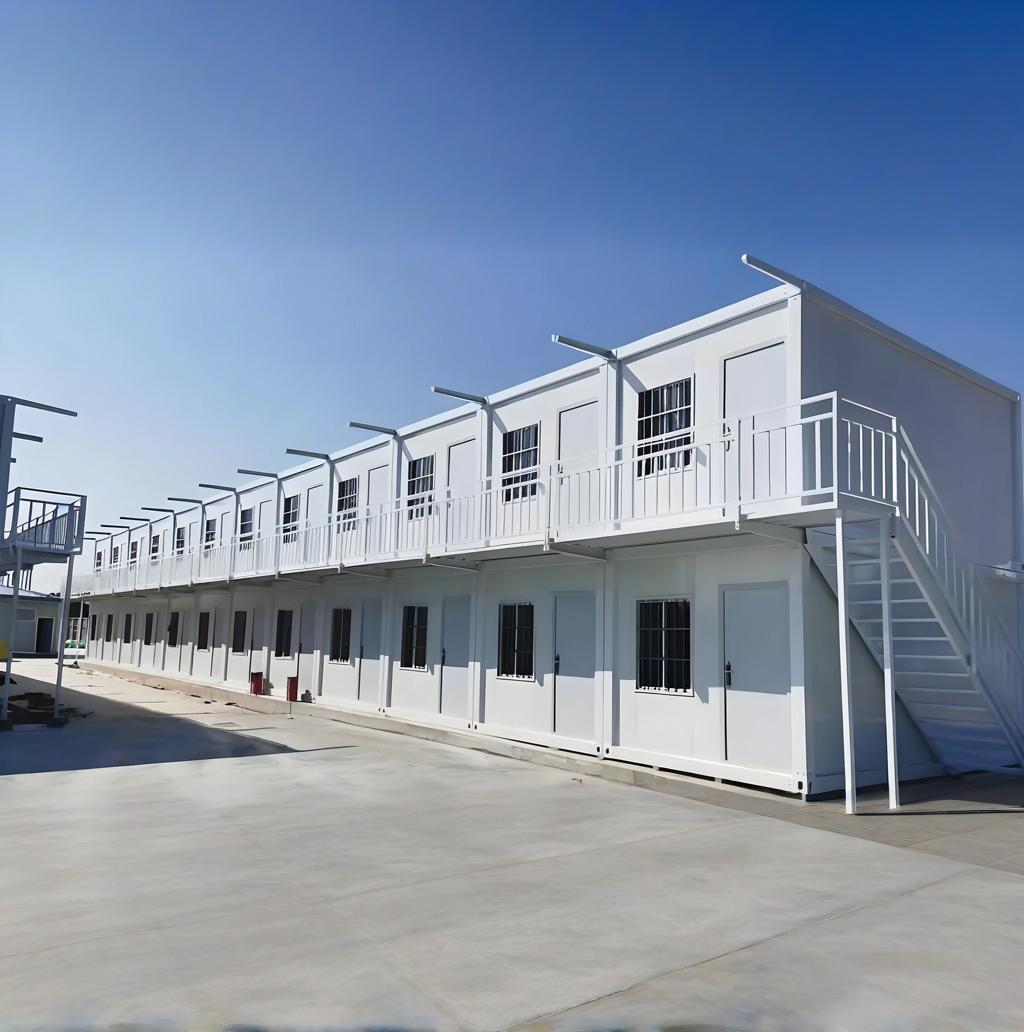
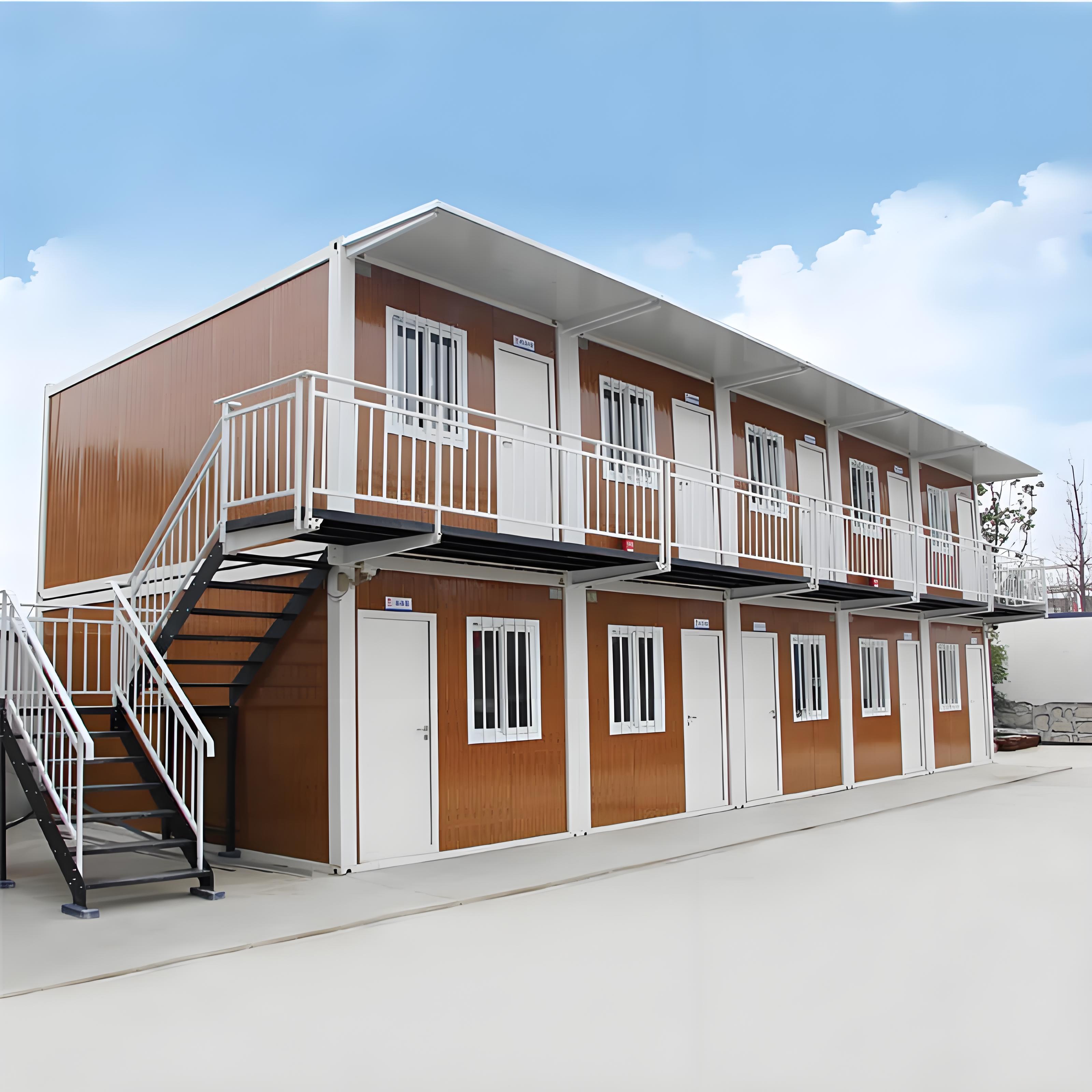
As a convenient and flexible form of temporary construction, packing box houses are widely used in construction sites, disaster areas, commercial activities, and other scenarios. To ensure the installation quality and safety of the packing box room, the following precautions cannot be ignored.
Preparation before installation
Site Planning
A comprehensive planning of the site is required before installation. To consider the flatness of the site, if there are large slopes or potholes, leveling operations should be carried out in advance. Bulldozers, rollers and other equipment can be used to ensure that the site is solid and flat, avoiding tilting and instability after the installation of the packing box room. At the same time, it is necessary to plan the layout of the container rooms reasonably, determine the number, arrangement, and passage positions of the container rooms according to usage needs, and ensure smooth passage of personnel and materials.
Foundation treatment
The foundation is the key to the stability of the packing box room. Common foundations for packing box houses include concrete strip foundations and steel pedestals. For concrete strip foundations, it is necessary to strictly follow the design requirements for construction, control the size, elevation, and concrete strength of the foundation. After pouring, sufficient maintenance is required to ensure that the foundation reaches the design strength. If a steel base is used, the material, specifications, and quality of the base should be checked to ensure that it can withstand the weight of the container room. When installing the base, it is necessary to ensure its levelness and stability, and a level can be used for calibration.
material inspection
Strictly inspect all components of the packing box room. Check whether the steel of the box frame meets the design requirements and whether there are any deformation, corrosion, or other issues; Whether the materials of the wall panels and ceiling meet the standards, whether the thickness is uniform, and whether the surface is flat; Whether the sealing of doors and windows and the quality of hardware are good; Whether the electrical circuits and water pipes are complete and undamaged. If any quality issues are found with the materials, timely communication should be made with the supplier for replacement.
Key points of installation process
Lifting safety
The lifting of the packing box room is an important part of the installation process. Choose suitable lifting equipment, such as truck cranes or crawler cranes, and ensure that the lifting equipment has good performance, safety, and reliability. Before lifting, safety technical instructions should be given to the lifting personnel to clarify the lifting process and precautions. During the lifting process, a warning area should be set up to prevent unrelated personnel from entering. At the same time, it is necessary to maintain the balance of the packing box room, avoid shaking and collision, and strictly follow the operating procedures for lifting operations.
Connection accuracy
The connection between packaging rooms should ensure accuracy. When using bolt connections, bolts of the specified specifications should be used and tightened according to the torque required by the design. The connecting parts should be properly sealed to prevent rainwater leakage. For the installation of multi-layer packaging box rooms, attention should be paid to the alignment and perpendicularity between the upper and lower layers. Laser plumb line instruments and other tools can be used for calibration to ensure the stability of the overall structure.
Electrical and plumbing installation
The installation of electrical circuits must comply with safety regulations. Wires should be protected by conduit to avoid direct exposure and prevent electric shock accidents. Switches, sockets and other electrical equipment should be installed firmly and in a reasonable position. The installation of water supply and drainage pipelines should ensure appropriate slope, smooth drainage, and tightly sealed interfaces to prevent water leakage. After installation, electrical and plumbing systems should be debugged and tested to ensure their normal operation.
Acceptance and maintenance after installation
acceptance inspection
After installation, a comprehensive acceptance inspection should be conducted. Check the appearance of the packing box room for any damage, deformation, or other issues; Whether the doors and windows can be opened and closed normally, and whether the sealing is good; Whether the electrical and plumbing systems are working properly; Whether the structure is stable, whether there is any shaking, etc. For any problems discovered, it is necessary to promptly request the installation personnel to rectify them until they pass the acceptance inspection.
Routine maintenance
During daily use, it is necessary to regularly maintain and upkeep the luggage compartment. Check the anti-corrosion condition of the box, and promptly remove rust and paint it if there is rust. Regularly inspect electrical circuits and equipment to ensure their safety and reliability. Pay attention to maintaining cleanliness and hygiene inside the packing box room to prevent the accumulation of debris and the growth of bacteria.
The installation of the packing box room is a systematic project that requires careful attention to every step from preparation before installation, control of the installation process, to acceptance and maintenance after installation, in order to ensure the installation quality and safe use of the packing box room.


